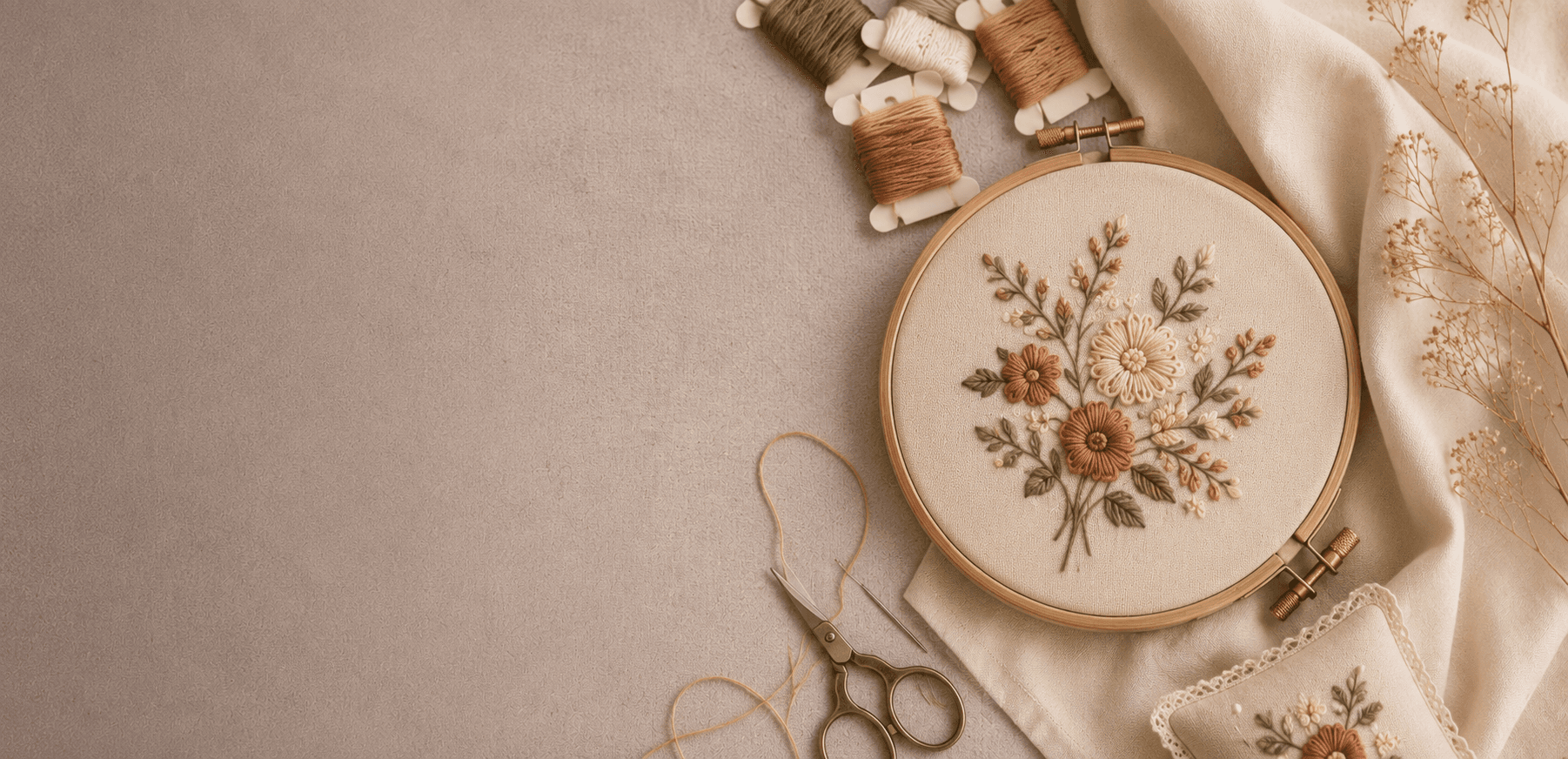
Choosing the correct embroidery size is one of the most important decisions in machine embroidery. Even a beautiful embroidery design can look too small, oversized, or distorted if it isn't matched to the project correctly.
Whether you are decorating a tshirt, hoodie, tote bag, cap, baby bodysuit, or jacket, selecting the right embroidery size ensures a professional finish and prevents wasted fabric, thread, and stabilizer.
In this guide, you will learn how embroidery sizing works, which sizes are best for different project, common mistakes to avoid, and expert tips for achieving perfect embroidery every time.
Why Embroidery Design Size Matters
Most beginner assume they can simply enlarge or shrink an embroidery file without consequence. In reality embroidery files are digitized with a specific stitch density and sequence.
Using the wrong size can lead to:
- Poor stitch quality
- Broken threads
- Fabric puckering
- Distorted designs
- Uneven lettering
- Lost details
- Longer stitch times
Selecting the correct embroidery size helps maintain clean stitching while protecting your fabric and machine.
Standard Embroidery Design Sizes
Most professional embroidery designs are offered in multiple sizes so they can fit different projects.
Here are some of the most common embroidery sizes:
2 Inches
Perfect for:
- Baby clothing
- Handkerchiefs
- Doll clothes
- Small pockets
Labels
3 Inches
Ideal for:
- Infant shirts
- Small decorative motifs
- Cosmetic bags
- Sleeves
4 Inches
A popular everyday size for:
- Left chest logos
- Polo shirts
- Tote bags
- Aprons
- Children's clothing
5 Inches
Works well for:
- Sweatshirts
- Medium tote bags
- Decorative home items
- Pillow covers
6 Inches
Best for:
- Hoodies
- T-shirts
- Large floral designs
- Backpacks
- Gift bags
7–8 Inches
Great for:
- Jacket backs
- Large center chest designs
- Quilt blocks
- Decorative wall hangings
9–10 Inches
Perfect for:
- Large jacket backs
- Blanket corners
- Oversized decorative embroidery
- Statement designs
Best Embroidery Sizes for Different Projects
T-Shirts
Recommended size:
4–6 inches
A medium-sized embroidery design looks balanced on the front of most adult shirts without overwhelming the garment.
Hoodies
Recommended size:
5–7 inches
Hoodies provide plenty of embroidery space, making them ideal for larger artistic designs.
Sweatshirts
Recommended size:
5–7 inches
Large floral, seasonal, and decorative embroidery looks especially attractive on sweatshirts.
Tote Bags
Recommended size:
4–8 inches
Large embroidery designs stand out beautifully on canvas and cotton tote bags.
Hats and Caps
Recommended size:
2–2.5 inches
Caps have limited embroidery space. Simple designs with bold lines produce the best results.
Baby Clothing
Recommended size:
2–3 inches
Small, lightweight embroidery prevents stiffness and keeps garments comfortable.
Jackets
Recommended size:
8–10 inches
Large back embroidery is popular for custom jackets, clubs, sports teams, and fashion apparel.
Pillow Covers
Recommended size:
5–8 inches
Floral, monogram, seasonal, and decorative embroidery creates beautiful home décor pieces.
Factors That Affect Embroidery Size
Choosing the right embroidery design size isn't just about appearance.
Several important factors should always be considered.
Fabric Type
Thin fabrics work best with smaller, lighter embroidery.
Heavy fabrics like denim, canvas, and fleece can support larger, denser designs.
Hoop Size
Your embroidery machine hoop determines the maximum design size you can stitch.
Always confirm that your design fits comfortably within your hoop.
Design Complexity
Detailed embroidery requires enough space for stitches to remain clear.
Very small versions of highly detailed artwork may lose important features.
Lettering
Tiny text is difficult to stitch clearly.
For readable embroidery, avoid reducing lettering too much.
Can You Resize an Embroidery Design?
This is one of the most common questions beginners ask.
The answer is:
Yes—but only within limits.
Professional embroidery software can safely resize many designs by approximately 10–20%.
Resizing beyond that range may affect stitch density, underlay, and overall embroidery quality.
For significant size changes, the design should be re-digitized rather than simply stretched.
Common Embroidery Size Mistakes
Avoid these mistakes to achieve better embroidery results.
Choosing the Largest Design Possible
Bigger isn't always better.
Oversized embroidery can become stiff, heavy, and uncomfortable.
Ignoring Hoop Limits
Always verify that your design fits inside your embroidery hoop before stitching.
Overlooking Fabric Weight
Large dense designs may pucker lightweight fabrics if the wrong stabilizer is used.
Making Tiny Designs Too Detailed
Very small embroidery designs cannot reproduce every detail from larger artwork.
Simple designs usually stitch much better at smaller sizes.
Tips for Perfect Embroidery Every Time
Before starting your project:
- Measure the embroidery area carefully.
- Use the correct hoop.
- Select the proper stabilizer.
- Stitch a sample on similar fabric.
- Match the design size to the project.
- Avoid excessive resizing.
- Use high-quality embroidery thread.
- Keep your needle sharp and appropriate for the fabric.
These simple habits can dramatically improve embroidery quality.
Why Our Embroidery Designs Include Multiple Sizes
At Stitch With Irha, we understand that every embroidery project is different.
That's why many of our embroidery design include multiple professionally digitized sizes instead of requiring customers to resize files themselves.
This provides:
- Better stitch quality
- Improved compatibility with different hoops
- Cleaner embroidery
- Less editing
- Faster project setup
Whether you are embroidering children's clothing, sweatshirts, tote bags, tshirts, jackets, or home décor, having multiple size options gives you greater flexibility.
Frequently Asked Questions
What is the most common embroidery design size?
Most everyday embroidery projects use designs between 4 and 6 inches, making this the most versatile size range.
Can I enlarge any embroidery file?
Small adjustments are usually acceptable, but major resizing should be done through re-digitizing to maintain stitch quality.
Which embroidery size is best for shirts?
A 4–6 inch design works well for center chest embroidery, while left chest logos are commonly around 3.5–4 inches.
What size is best for hats?
Most caps work best with embroidery designs around 2 to 2.5 inches tall.
Do larger embroidery designs require more stitches?
Yes. Larger designs typically contain more stitches, increasing embroidery time and thread usage.
Final Thoughts
Choosing the right embroidery design size is essential for creating professional looking embroidery project. The correct size improves stitch quality, enhances the appearance of your finished item, and helps avoid common problem such as puckering, distortion, and thread breaks.
Whether you are stitching on shirts, hoodies, jackets, tote bags, or baby clothing, selecting a design that matches both your fabric and hoop size will produce the best results.
Explore the professionally digitized embroidery designs at Stitch With Irha, where many designs include multiple sizes options, making it easier to find the perfect fit for every embroidery project.