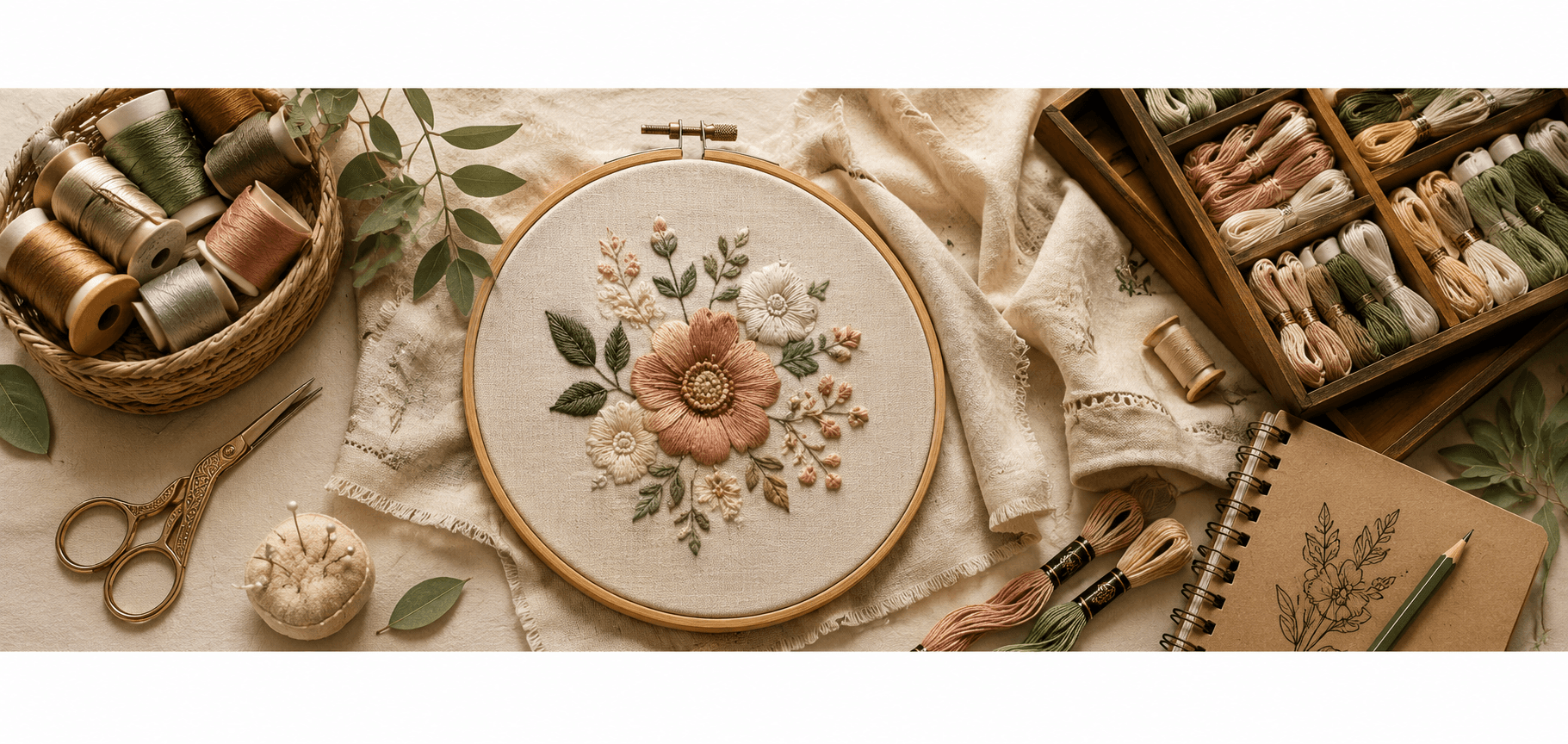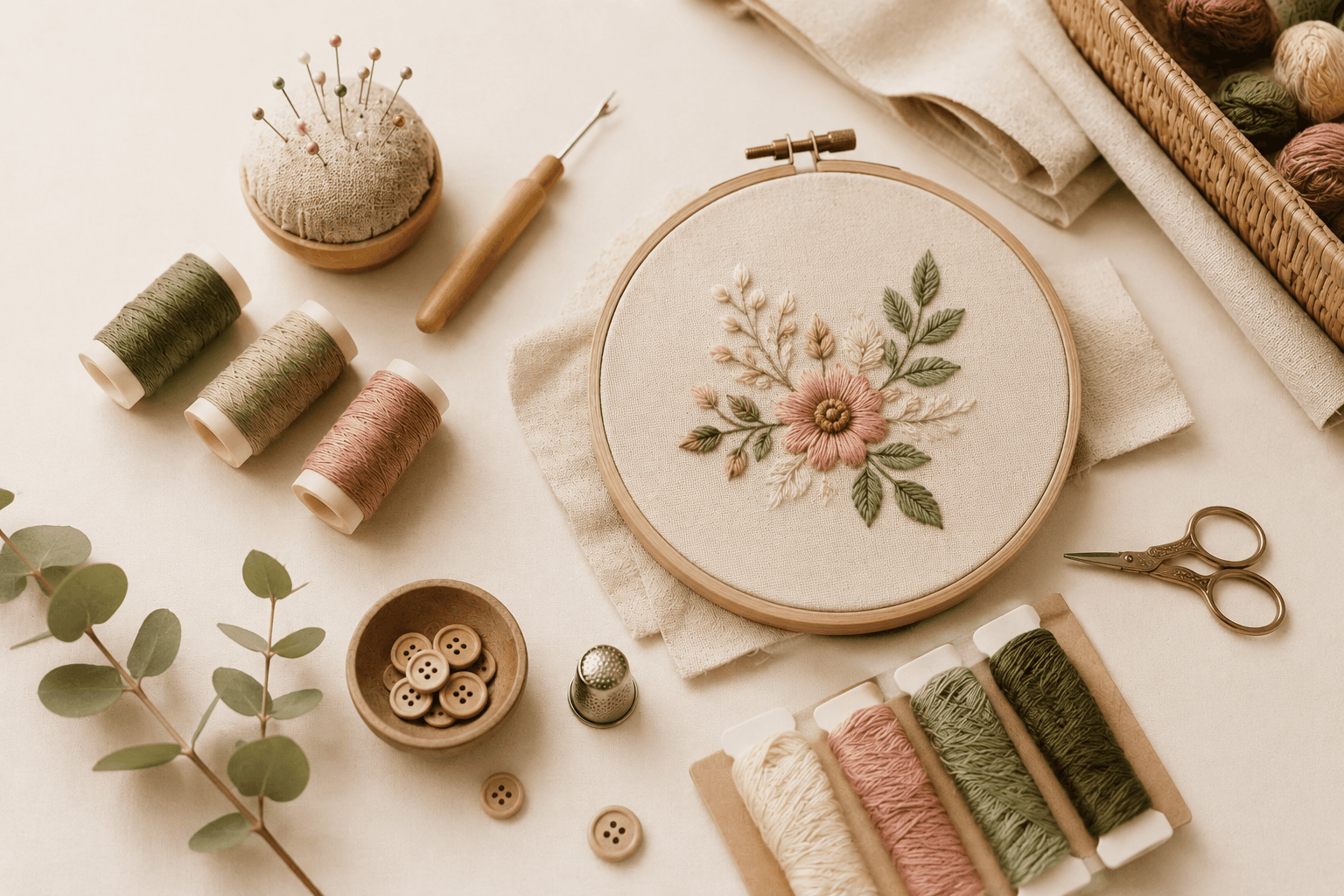
Stabilizer (also called backing) is often the unsung hero of machine embroidery. It's the sheet of material hooped under your fabric that prevents puckering, stretching or shifting. If you've ever seen an embroidered design with puckers or loops, the culprit was usually the wrong backing or too little of it. Choosing the right type of stabilizer is critical — it really can make or break your project. Let's break down the main stabilizer types and when to use them.
Cut-Away Stabilizer – The Workhorse
Cut-away stabilizer provides the most permanent, sturdy support. It is left in place after stitching and trimmed away around the design. This makes it ideal for stretchy or high-use fabrics. Knits, t-shirts, fleece and stretchy jerseys all benefit from a cut-away backing because it prevents the design from distorting when worn or washed. Cut-away comes in light, medium or heavy weights; match the weight to your fabric and design density. The key is that cut-away stabilizer stays affixed to the fabric, so your stitching remains crisp over time.
Tear-Away Stabilizer – Clean and Simple
Tear-away stabilizer is generally used on stable, woven fabrics that don't stretch — think cotton, linen, denim, canvas. As its name suggests, you simply tear it away after stitching. This leaves a clean back and is perfect for items like tote bags, denim panels, canvas aprons or shirts. Tear-away comes in light to heavy weights and even adhesive-backed versions. Just be gentle when removing it — tear from the corners outward to avoid distorting your stitches.
Water-Soluble Topping – For Textured Fabrics
For looped, nubby or fuzzy materials like terry cloth, velvet, corduroy, or plush fleece, water-soluble topping is essential. This is a thin water-soluble film placed on top of the fabric before stitching. It keeps the stitches sitting on the surface rather than sinking into the loops. After stitching, you simply spray or rinse it off. Topping is the key to crisp embroidery on any pile, bath towel or looped fabric.
Self-Adhesive & Specialty Stabilizers
Some projects can't be hooped normally — small items, delicate pieces, or finished garments. With sticky stabilizer, you hoop only the stabilizer, then peel back its backing to expose an adhesive surface. You press your fabric onto it and embroider floating on top. This method lets you stitch items too tiny or irregular to hoop, without marks or stretching. These sticky stabilizers allow you to embroider hats, shoes, finished pockets, and more without traditional hoop constraints.
Conclusion
Choosing the right stabilizer takes practice. When starting out, always test on a scrap of the same fabric. In general: use cut-away on knits and stretchy fabrics, tear-away on woven and canvas, wash-away topping on terry and velvet, and sticky stabilizers for hard-to-hoop items. With the proper backing under every design, you'll avoid common problems like puckering or distortion. The extra effort will pay off in professional-quality embroidery every time.
For more guidance, check our FAQ or Blog, and browse our Shop for designs suited to all these projects. Happy stitching!